


🇬🇧 Opening Ceremony — Verano Vienés 2025. 🇲🇽 Inauguración Verano Vienés 2025
🇬🇧 The Verano Vienés 2025 Latin American Photography Festival officially launched its activities with a moving opening ceremony at the Österreichischer Journalisten Club, bringing together art, diplomacy, and cultural dialogue. 🇲🇽 El Festival de Fotografía Latinoamericana Verano Vienés 2025 inició oficialmente sus actividades con una emotiva ceremonia inaugural en el Österreichischer Journalisten Club, reuniendo arte, diplomacia y diálogo cultural.
Eloina Viveros
9/19/2025
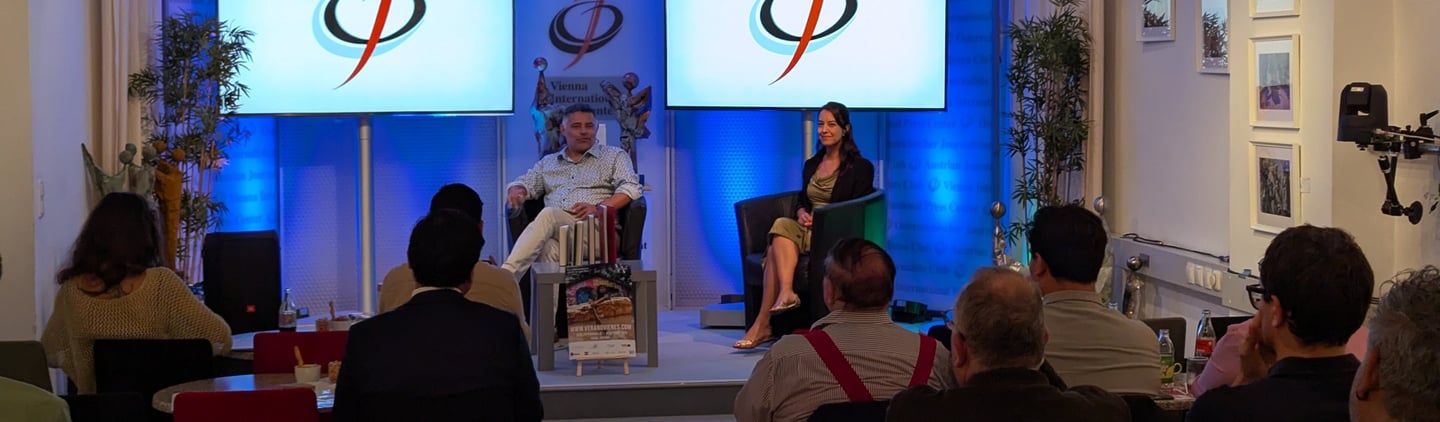

On September 19th, 2025, the official opening ceremony of the Verano Vienés Latin American Photography Festival took place at the Österreichischer Journalisten Club (ÖJC), located in the heart of the beautiful and multicultural city of Vienna, Austria.
The event was attended by the Vice President of the Austrian Journalists Club, John Herzog; the representative of the Embassy of Peru in Austria, Omar Salvatierra; the representative of the Embassy of Mexico in Austria and Permanent Mission to the United Nations, Antonio Tenorio; the founding director of the festival, Eloina Viveros; the general coordinator, Frederick Platt; and the manager of Hotel Ibis Mariahilf, Cedrick Schiller, sponsor of the accommodations for the international guests who traveled to Vienna to participate in this first edition.
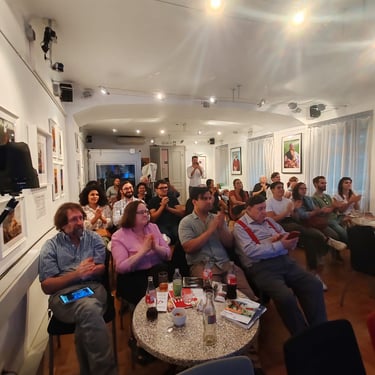
The ceremony brought together artists, diplomats, journalists, and the general public for an evening dedicated to celebrating the contemporary Latin American gaze.
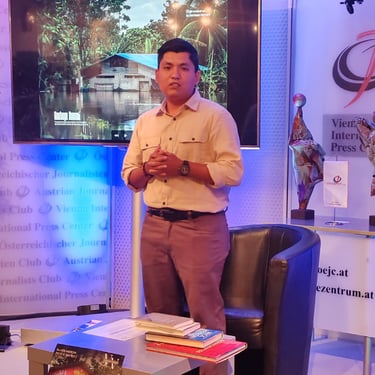
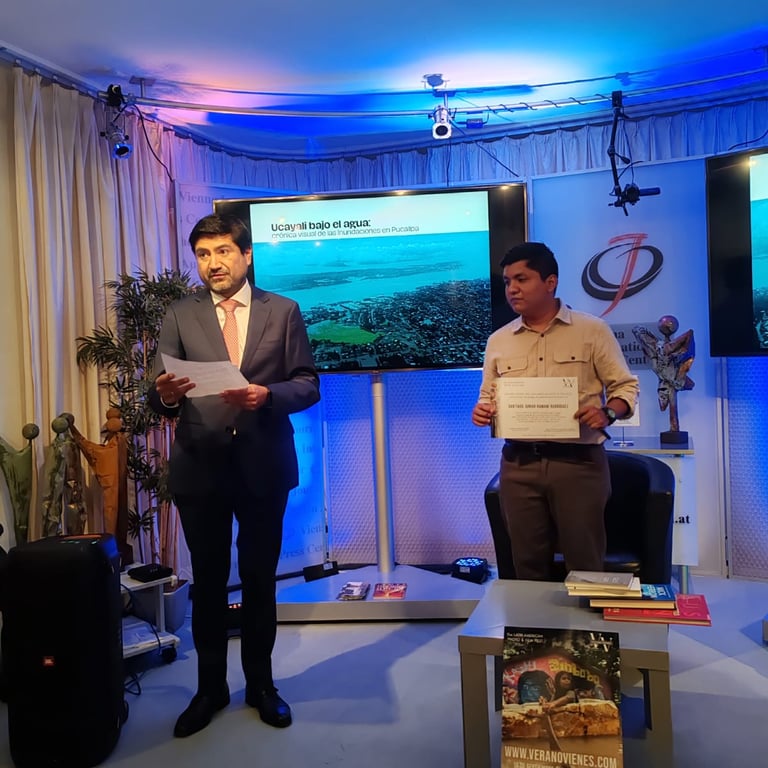
Among the special guests was young photojournalist Santiago Romaní, winner of the Verano Vienés 2025 Documentary Photography Competition, who traveled from Peru to receive his award from the hands of Omar Salvatierra and Eloina Viveros. During his presentation, Romaní shared his series "Ucayali bajo el agua: crónica visual de las inundaciones en Pucallpa", a work that documents with sensitivity and rigor the consequences of recent floods in the Amazonian region of Peru.
Romaní's images reflect the devastation caused by the overflow of the Ucayali River, the result of intense and prolonged rainfall that severely affected the province of Coronel Portillo. More than 4,000 people were impacted and 2,186 families were left homeless, with losses in crops, housing, and basic infrastructure across the districts of Callería, Manantay, and Yarinacocha. Through his lens, the photographer offers a visual testimony of the climate and human vulnerability of the Peruvian Amazon, as well as the resilience of its communities.
The evening also featured the presence and a talk by Italian photographer Michele Agostinis, who shared his experience documenting the Marinera festival in Peru over several years, reflecting on the cultural and symbolic richness of Latin American traditions through a European gaze rooted in respect and diversity.
During the evening, works by prominent Mexican photojournalists were also presented, including Héctor Adolfo Quintanar and Eloy Valtierra, alongside documentaries by Eloina Viveros and Argentine photographer Inés Miguens.
The musical highlight of the evening was performed by soprano Neivi Martínez, who captivated the audience with renditions of La Sandunga and Alfonsina, filling the room with emotion and beauty.
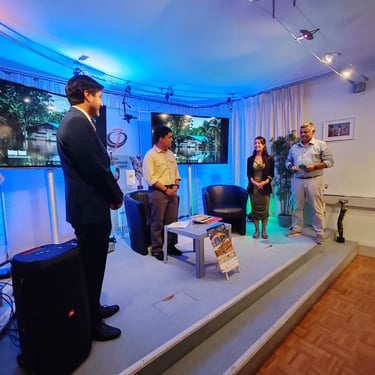
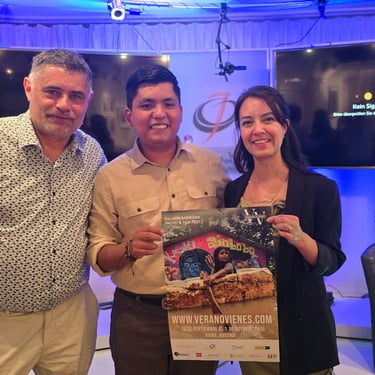
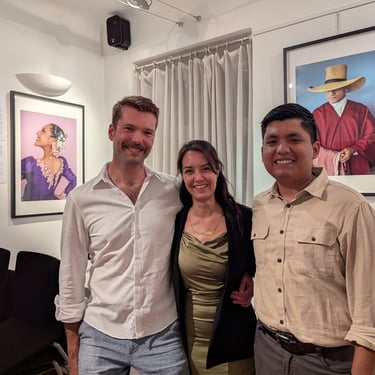
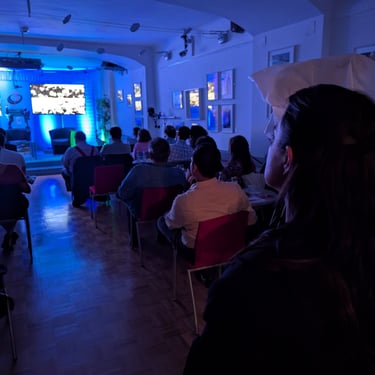


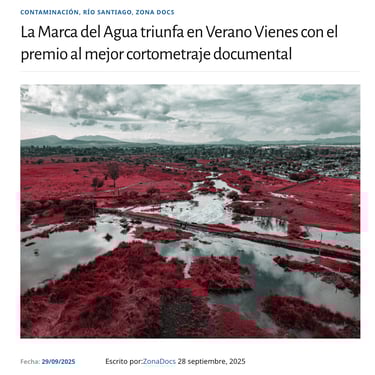
The program continued with the screening of two remarkable short documentaries. The first, "La Marca del Agua", by Mexican director Diego Reynoso — filmed almost entirely with drone and infrared technique — presents the testimonies of residents of a community affected by the industrial contamination of their river. The work reflects on the complex relationships between human beings and nature, where water becomes a vital, mystical, and social symbol.
The second, "Ojos de la Tierra", directed by Jorge Iván Castaneira, is an audiovisual essay that transforms documentary filmmaking into a sensory, political, and spiritual experience. Filmed in communities across Mexico, Ecuador, Peru, Bolivia, Colombia, Venezuela, Guatemala, and Argentina, the film articulates an aesthetic of contemplation and denunciation: in the face of the devastation wrought by extractivism and neoliberalism, these images do not merely illustrate — they resist.
Following the screenings, John Herzog and Eloina Viveros shared reflections on the depth of the short films presented and on the role of documentary art as a vehicle for social awareness and collective memory.
The evening closed with a toast of honor, bringing to an end a wonderful night marked by emotion, intercultural dialogue, and Verano Vienés' commitment to bringing Latin American photographic and cinematic perspectives to the international stage.
Verano Vienés extends its deepest gratitude to all the individuals, institutions, and allies who made this beautiful opening possible, reaffirming its mission to build bridges between Latin America and Europe through photography, art, and visual memory.

El pasado 19 de septiembre de 2025, se celebró la inauguración oficial del Festival de Fotografía Latinoamericana Verano Vienés en el Österreichischer Journalisten Club (ÖJC), ubicado en el centro de la bellísima multicultural ciudad Viena, Austria.
El evento contó con la presencia del Vicepresidente del Club Austriaco de Periodistas, John Herzog; el representante de la Embajada de la República del Perú en Austria, Omar Salvatierra; el representante de la Embajada de México en Austria y Misión Permanente ante las Naciones Unidas, Antonio Tenorio; la directora fundadora del festival, Eloina Viveros; el coordinador general, Frederick Platt; y el gerente del Hotel Ibis Mariahilf, Cedrick Schiller, patrocinador del hospedaje de los invitados internacionales que arribaron a Viena para participar en esta primera edición.
La ceremonia reunió a artistas, diplomáticos, periodistas y público general en una noche dedicada a celebrar la mirada latinoamericana contemporánea.
Entre los invitados especiales destacó la participación del joven fotoperiodista Santiago Romaní, ganador del Concurso de Fotografía Documental Verano Vienés 2025, quien viajó desde Perú para recibir su reconocimiento de manos de Omar Salvatierra y Eloina Viveros. Durante su intervención, Romaní presentó su serie “Ucayali bajo el agua: crónica visual de las inundaciones en Pucallpa”, un trabajo que documenta con sensibilidad y rigor las consecuencias de las recientes inundaciones en la región amazónica del Perú.
Las imágenes de Romaní reflejan la devastación provocada por el desborde del río Ucayali, resultado de lluvias intensas y prolongadas que afectaron gravemente a la provincia de Coronel Portillo. Más de 4,000 personas resultaron afectadas y 2,186 familias fueron damnificadas, con pérdidas en cosechas, viviendas e infraestructura básica en los distritos de Callería, Manantay y Yarinacocha. A través de su lente, el fotógrafo ofrece un testimonio visual de la vulnerabilidad climática y humana de la Amazonía peruana, así como de la resiliencia de sus comunidades.
La jornada también contó con la presencia y una charla del fotógrafo italiano Michele Agostinis, quien compartió su experiencia documentando durante varios años la festividad de la Marinera en Perú, reflexionando sobre la riqueza cultural y simbólica de las tradiciones latinoamericanas desde una mirada europea comprometida con el respeto y la diversidad.
Durante la velada se presentaron obras de fotoperiodistas mexicanos de gran trayectoria, como Héctor Adolfo Quintanar y Eloy Valtierra, así como documentales de Eloina Viveros y la fotógrafa argentina Inés Miguens.
El momento musical estuvo a cargo de la soprano Neivi Martínez, quien cautivó al público con interpretaciones de La Sandunga y Alfonsina, llenando el espacio de emoción y belleza.
Posteriormente se proyectaron dos notables cortometrajes documentales. El primero, “La Marca del Agua”, del director mexicano Diego Reynoso, filmado casi en su totalidad con drone y técnica infrarroja, muestra los testimonios de los habitantes de una comunidad afectada por la contaminación industrial de su río. La obra reflexiona sobre las complejas relaciones entre el ser humano y la naturaleza, donde el agua se convierte en símbolo vital, místico y social.
El segundo, “Ojos de la Tierra”, dirigido por Jorge Iván Castaneira, es un ensayo audiovisual que transforma el cine documental en una experiencia sensorial, política y espiritual. Rodado en comunidades de México, Ecuador, Perú, Bolivia, Colombia, Venezuela, Guatemala y Argentina, el filme articula una estética de la contemplación y la denuncia: frente a la devastación del extractivismo y el neoliberalismo, las imágenes no ilustran, resisten.
Al término de las proyecciones, John Herzog y Eloina Viveros compartieron una reflexión sobre la profundidad de los cortometrajes presentados y sobre el papel del arte documental como vehículo de conciencia social y memoria colectiva.
La noche concluyó con un brindis de honor, cerrando una velada maravillosa, marcada por la emoción, el diálogo intercultural y el compromiso de Verano Vienés con la difusión de las miradas fotográficas y cinematográficas latinoamericanas en el ámbito internacional.
Verano Vienés agradece profundamente a todas las personas, instituciones y aliados que hicieron posible esta bella inauguración, reafirmando su misión de tender puentes entre América Latina y Europa a través de la fotografía, el arte y la memoria visual.
Verano Vienés
The Latin American Photo & Film Festival celebrating visual storytelling and cultural diversity.
Contacto
¿quieres saber de nosotros?
hola@veranovienes.com
+43 677 61950531
© 2025. Derechos Reservados
¡Apóyanos! Pide informes sobre voluntariado o puedes realizar una donación vía:
https://www.paypal.me/veranovienes
en Europa:
Eloina Viveros Galván IBAN LT03 3250 0268 2802 8476
en México:
Eloina Viveros Galván Cuenta. 286 221 7376